

When you have several loans to manage, keeping track of different repayment dates and outstanding balances can quickly become difficult. A debt consolidation loan may seem like a simple way to bring everything together, but it is important to understand the debt consolidation benefits as well as the potential drawbacks before applying.
If you are considering a debt consolidation loan from a licensed money lender in Singapore, the debt consolidation loan pros and cons can look quite different from those of a bank consolidation loan. Interest rates, fees, borrowing limits and the type of debt you are consolidating all need to be considered.
So, what are the pros and cons of debt consolidation, and when might it actually make sense? This guide looks at the main debt consolidation advantages and disadvantages, including how much you can borrow, the costs involved and the disadvantages of debt consolidation loans you should know before making a decision.
What Is a Debt Consolidation Loan?
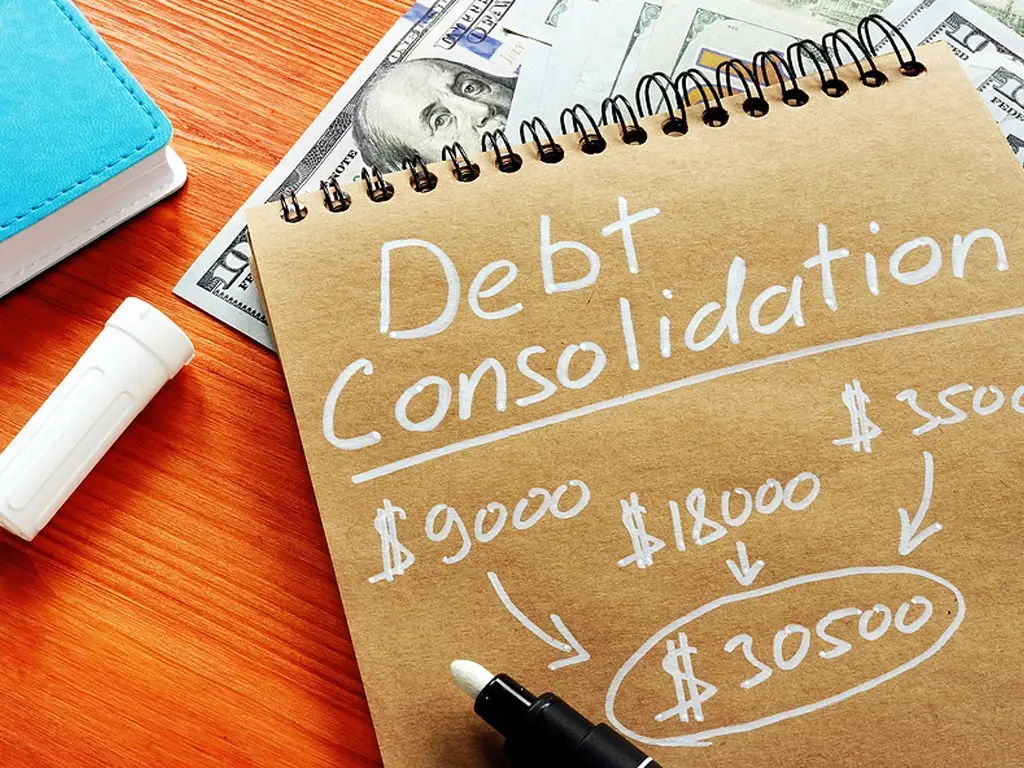
A debt consolidation loan is a new loan used to pay off multiple existing debts. Once those debts are settled, you are left with one loan and one repayment schedule to manage.
For example, if you have several outstanding loans with different repayment dates, debt consolidation could bring them under a single loan arrangement. Instead of remembering several payments each month, you only need to keep track of one.
That simplicity is one of the key debt consolidation loan benefits. However, know that consolidation does not make your debt disappear; you will still need to repay the new loan according to its terms.
More importantly, a debt consolidation loan from a licensed money lender should not automatically be perceived as a cheaper alternative to bank debt. The cost of borrowing can be significantly higher, so it is important to look at the full picture before deciding.
Debt Consolidation Benefits: What Are the Pros?
There are several potential debt consolidation benefits, particularly for borrowers who are finding it difficult to manage multiple repayment schedules:
#1 Keep Your Debts in One Place
When you have several loans, it can be difficult to keep track of how much you owe and when each repayment is due. Consolidating eligible debts gives you one loan balance and one repayment schedule to focus on; you no longer have to check several accounts every month just to work out what needs to be paid.
For borrowers who find multiple debts difficult to organise, this can be one of the most practical debt consolidation benefits.
#2 Potentially Pay Less Interest
Another possible debt consolidation loan benefit is getting a lower interest rate than the debts you are consolidating. If the new loan has a lower rate, you could potentially reduce the interest charged on your outstanding debt from licensed money lenders.
However, whether you actually pay less interest overall depends on the new loan’s interest rate, fees and repayment period, so make sure to always check before committing to a new debt consolidation loan.
#3 Simplifies Monthly Budgeting
Having several loans can make monthly budgeting harder, especially when repayment amounts and due dates are different.
A debt consolidation loan can benefit you by bringing these repayments together, giving you one repayment amount to plan for each month. This can make it easier to manage your debt alongside rent, household bills and other regular expenses.
#4 Lowers the Chance of Missing a Repayment
Managing several repayment dates can be tricky, and a missed payment may mean late interest of up to 4% per month on the overdue amount, plus a late fee of up to S$60 per month. These charges can add up quickly if payments are missed repeatedly.
With one repayment schedule, there is less to keep track of each month. This can make it easier to stay on top of your payments, making it one of the debt consolidation loan benefits to consider.
#5 Makes Long-Term Financial Planning Easier
When you have several debts with different repayment periods, it can be hard to know when you will be debt-free or how much you need to set aside each month. One debt consolidation benefit is having a single repayment schedule, giving you a clearer picture of your repayment timeline.
With a better idea of when your debt will be paid off, you can start planning for what comes next, whether that means building your savings or working towards other financial goals. Your future self will thank you for starting that plan today.
Disadvantages of Debt Consolidation Loans to Consider
With the key debt consolidation benefits in mind, it’s also important to understand the potential disadvantages of debt consolidation loans before deciding if this is right for you.
#1 Interest Can Be Significantly Higher Than Bank Debt
One of the biggest disadvantages of debt consolidation loans is the potential cost of the new loan. Licensed money lenders can charge interest of up to 4% per month, subject to the applicable rules. This can be considerably higher than the borrowing rates offered by many banks.
This is especially important if you are using a licensed money lender loan to pay off lower-cost bank debt. If your existing credit card or bank loan has a lower borrowing cost, replacing it with a loan charging up to 4% per month could mean paying more overall. Debt consolidation is not automatically a money-saving exercise.
#2 An Administrative Fee of Up to 10% May Apply
Interest is not the only cost to consider. A licensed money lender may charge an administrative fee of up to 10% of the principal amount, subject to the applicable rules. This fee is deducted from the loan amount when it is disbursed.
For example, if you take a S$10,000 loan and a 10% administrative fee applies, S$1,000 would be deducted, so you receive S$9,000. However, the principal amount remains S$10,000. This is why comparing the amount you actually receive with the total amount you need to repay is an important part of weighing the debt consolidation pros and cons.
#3 Your Existing Debt May Already Limit Your Options
Your current borrowing also matters when considering debt consolidation loan eligibility. Singapore’s aggregate unsecured borrowing limits apply across all licensed money lenders, so taking out a new loan is not simply a matter of finding another lender if you have already reached the applicable limit.
For example, Singapore Citizens and Permanent Residents earning at least S$20,000 a year are subject to an aggregate unsecured borrowing limit of 6 times their monthly income. If your existing licensed money lender debt has already reached that limit, you will not be able to take another unsecured loan to consolidate it.
What About a Debt Consolidation Plan?
If most of your debt comes from banks and credit cards, a Debt Consolidation Plan (DCP) may be another option to consider. It is offered by participating banks to eligible Singapore Citizens and Permanent Residents with significant unsecured debt, including those whose unsecured debt exceeds 12 times their monthly income, subject to other requirements.
A DCP is not applicable to debt owed to licensed money lenders. So, if your existing debt is mainly from licensed money lenders, you would need to consider other options. If you have bank or credit card debt, however, it may be worth comparing a DCP with other forms of debt consolidation before deciding.
Debt Consolidation Pros and Cons: Which Route Makes Sense for You?
Understanding the debt consolidation advantages and disadvantages is not just about getting one monthly payment. The better option depends largely on what type of debt you already have, how much you owe and what the new arrangement will cost.
| Your Situation | Option to Consider | What to Keep in Mind |
| You have several licensed money lender loans | Debt consolidation loan from a licensed money lender | May simplify multiple repayments into one. Check the new interest rate, fees, tenure and total repayment before deciding. |
| You are a foreigner | Debt consolidation loan from a licensed money lender | Licensed money lender loans may be available to eligible foreigners, while a DCP is not. Aggregate unsecured borrowing limits apply: S$500 if annual income is below S$10,000; S$3,000 for S$10,000–below S$20,000; and 6x monthly income for S$20,000 or more. |
| You have mostly bank or credit card debt | Debt Consolidation Plan (DCP) | A DCP is available to eligible Singapore Citizens and Permanent Residents with significant unsecured debt. It does not apply to licensed money lender debt. |
| Lower-interest bank debt | Compare carefully before choosing a licensed money lender loan | Licensed money lenders can charge up to 4% interest per month, so replacing lower-cost bank debt could increase your overall borrowing costs. |
| You are close to your borrowing limit | Check your debt consolidation loan eligibility first | Aggregate unsecured borrowing limits apply across licensed money lenders. If you have already reached the applicable limit, you may not be able to take another loan to consolidate your debts. |
| You want a lower monthly payment | Compare the full loan cost | A lower monthly repayment may mean a longer tenure. Look at the total amount repayable, not just the monthly instalment. |
Ultimately, the pros and cons of debt consolidation depend on your individual circumstances. The key debt consolidation benefits may be simpler repayments and easier budgeting, while the disadvantages of debt consolidation can include higher costs, fees and a longer repayment period. Compare your existing debts with the proposed loan before deciding which option makes more sense for you.
Conclusion
Debt consolidation can make multiple repayments easier to manage, but the debt consolidation pros and cons depend on your existing debts, eligibility and the overall cost of the new loan. Looking at both the debt consolidation advantages and disadvantages can help you decide if it makes sense for your situation.
For those considering several licensed money lender loans, take the time to compare the interest, fees, repayment period and applicable borrowing limits. Apply now with Cash Direct if a licensed money lender loan suits your needs, or get in touch with us for a no-obligation chat about your options!