


Key Takeaways
- A WhatsApp profile or message does not prove that a money lender is legitimate.
- Licensed money lenders cannot use WhatsApp to send unsolicited loan advertisements or solicit loans.
- Upfront payment requests, guaranteed approvals and requests for sensitive credentials are major warning signs.
- Legitimate loans involve proper identity verification, clear terms and a written loan contract.
- If you suspect a scam or encounter money lender harassment, save the evidence and report it promptly.
Getting a loan can feel as simple as sending a WhatsApp message. But before you respond to that friendly “no credit check loan available” text, ask one important question: “Who is actually behind the message?”
Frankly, WhatsApp is simply a communication platform. The real concern is whether the person contacting you is a legitimate licensed money lender or an unlicensed money lender posing as one.
In Singapore, licensed money lenders, such as Cash Direct, are subject to strict rules governing how they advertise, communicate with borrowers, and grant loans. Knowing the warning signs can genuinely help you avoid loan scams in Singapore before you lose money or personal information.
Read on to spot the red flags before they cost you anything!
What Is a WhatsApp Money Lender?
The term “WhatsApp money lender” generally refers to someone offering or discussing a loan through WhatsApp.
However, receiving a message through WhatsApp does not automatically mean the lender is illegal. Licensed money lenders may use instant messaging to communicate with existing customers about matters related to their outstanding loans. They may also use WhatsApp to follow up with potential customers who’ve already sent in their enquiries via their official website.
The important distinction is how the communication is actually being used.
Licensed money lenders cannot use WhatsApp and other messaging platforms to advertise or solicit loans from the general public, period. They must also follow the required procedures when approving and granting loans.
If someone you have never dealt with suddenly contacts you on WhatsApp offering a loan, treat the message with caution. Do not engage and definitely do not transfer any money despite how enticing their offer may sound!
Why Do People Look for Money Lenders on WhatsApp?
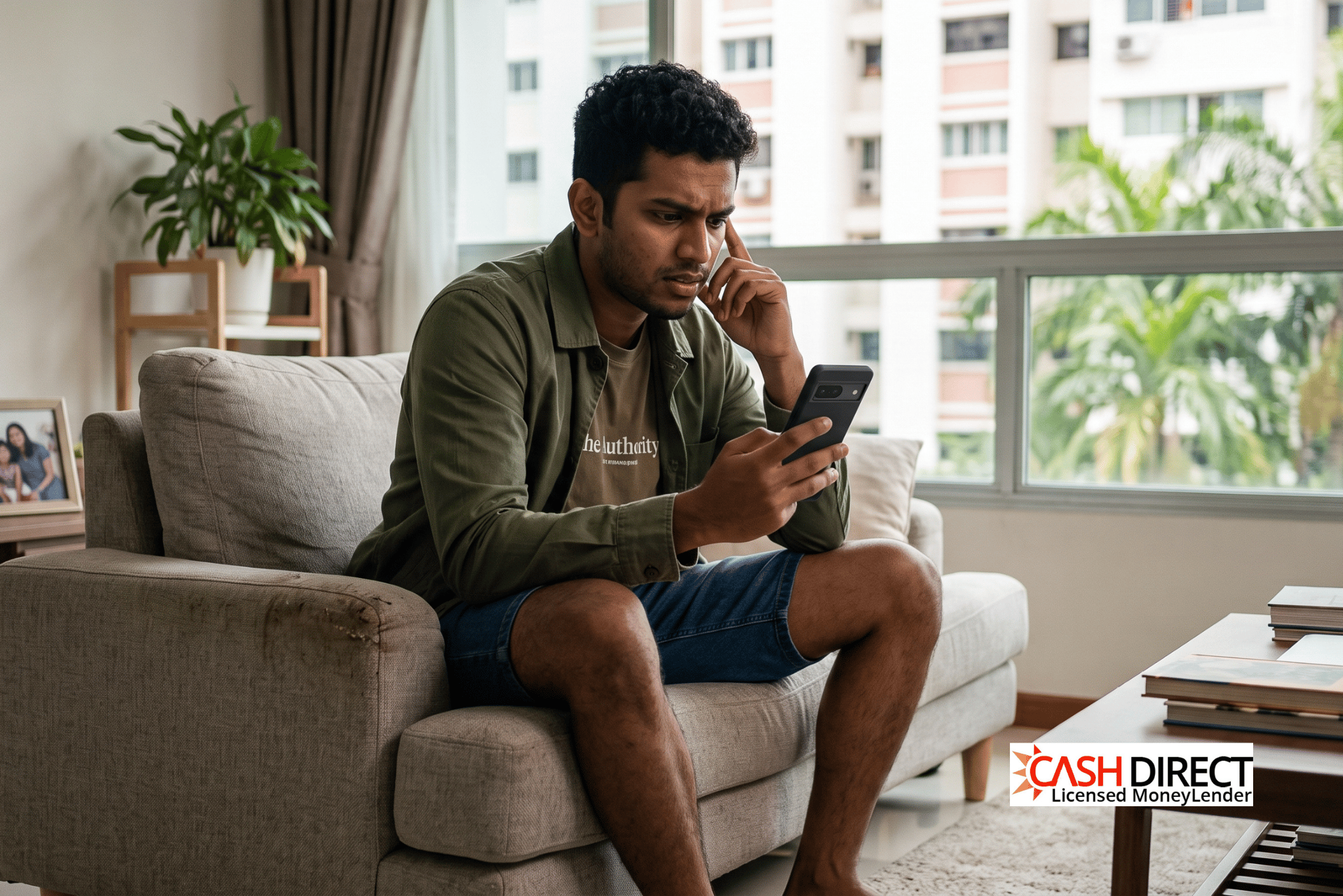
Convenience is an obvious reason. When an unexpected bill or urgent expense comes up, a WhatsApp message promising fast cash can certainly seem appealing.
The problem is that scammers know this, too!
A polished profile, a professional-looking logo, or a quick response doesn’t prove you are dealing with a legitimate business. A scammer can easily impersonate a real company or create a convincing-looking profile. It’s super easy with advanced technology these days.
That’s precisely why it is important to look beyond the message itself.
9 Warning Signs of a Risky WhatsApp Money Lender Offer
#1 You Receive an Unsolicited Loan Offer Through WhatsApp
One of the biggest warning signs is an unexpected WhatsApp message offering you a loan.
Licensed money lenders are not permitted to advertise or solicit loans via WhatsApp or other prohibited messaging channels. If someone approaches you out of the blue with a loan offer, don’t assume the message is legitimate.
Instead, stop and verify who is contacting you before providing any information.
#2 The Lender Cannot Be Found on the Registry of Moneylenders
A person claiming to be a licensed money lender should be traceable to a legitimate business listed with the Registry of Moneylenders Singapore.
If you can’t find the lender on the official list, that’s a serious warning sign in itself.
Be particularly careful if the person tells you that their licence is “pending”, provides only a photo of a licence, or sends you a website that looks official. Always verify independently rather than rely on information supplied through WhatsApp.
#3 You Are Asked to Pay Money Before Receiving the Loan
Be cautious if you’re told to transfer money before your loan can be released.
Scammers may describe these payments as GST, insurance, activation, deposit, security or processing fees. Once you pay, they may demand more money or simply stop responding altogether!
Never transfer money simply because someone claims it’s necessary to unlock your loan. Licensed lenders deduct only permissible administrative charges from the approved principal when they disburse the loan.
#4 The Lender Promises Guaranteed Approval
“100% approved” or “no questions asked” may sound absolutely attractive when you need money quickly, but responsible lending involves assessing a borrower’s circumstances thoroughly.
If someone promises guaranteed approval without properly assessing your application, that should raise some real concerns.
Don’t let the promise of easy approval push you into a rushed decision.
#5 The WhatsApp Account Uses Aggressive or Threatening Language
Pressure tactics can quickly turn a suspicious loan offer into a frightening experience.
If someone threatens you, insults you, repeatedly pressures you to pay, or claims something serious will happen if you do not comply, stop communicating with them and keep records of the interaction.
This may be a sign of money lender harassment, especially if the person is trying to intimidate you into paying.
#6 You Are Asked for Your Singpass Login or Password
Never give a supposed lender your Singpass password, OTPs or other authentication credentials—no exceptions.
Legitimate lenders should not require you to hand over control of your personal accounts. Requests for login credentials can expose you to identity theft, unauthorised transactions and other forms of fraud.
If someone asks for these details, end the conversation immediately.
#7 The Sender Refuses to Provide Clear Loan Terms
Before accepting a loan, you should fully understand how much you are borrowing, the applicable interest rates, fees, repayment arrangements and other relevant terms.
A legitimate licensed money lender must explain the terms and conditions in a language you understand and provide you with a copy of the loan contract.
If the person avoids your questions, refuses to provide proper documentation or tells you to “just sign first”, take a step back.
#8 The WhatsApp Number or Profile Keeps Changing
Frequent changes to phone numbers, WhatsApp profiles or payment accounts can be another warning sign.
This does not automatically prove someone is a scammer, but it becomes concerning when combined with other suspicious behaviour—such as requests for upfront payments or inconsistent company information.
Always compare the details you receive against independently verified information.
#9 The Lender Offers to Skip Face-to-Face Verification
A major red flag is being told everything can be completed remotely.
Licensed money lenders must meet applicants in person at their approved place of business before approving a loan, including for physical identity verification and explanation of the loan terms.
⚠️ If someone claiming to be a licensed lender says you can receive the money without completing the required process, be extremely cautious.
How to Verify a WhatsApp Money Lender in Singapore
If you receive a suspicious offer, do not rely on the WhatsApp profile alone. Instead, verify the lender independently.
You can:
- Look up the business in the Ministry of Law’s Registry of Moneylenders.
- Check the registered details against the information provided.
- Don’t rely on contact details supplied by the suspicious sender as your only source of verification.
- Ask for clear loan terms, including applicable interest and fees.
- Make sure the required face-to-face process takes place at the lender’s approved business premises.
- Read the loan contract carefully before signing anything.
- Keep records of messages, documents and payment requests.
📝 Note: Remember, a scammer can copy a legitimate company’s name, logo or website. Independent verification matters a lot!
What Should I Do if I Think a WhatsApp Money Lender Is a Scam?
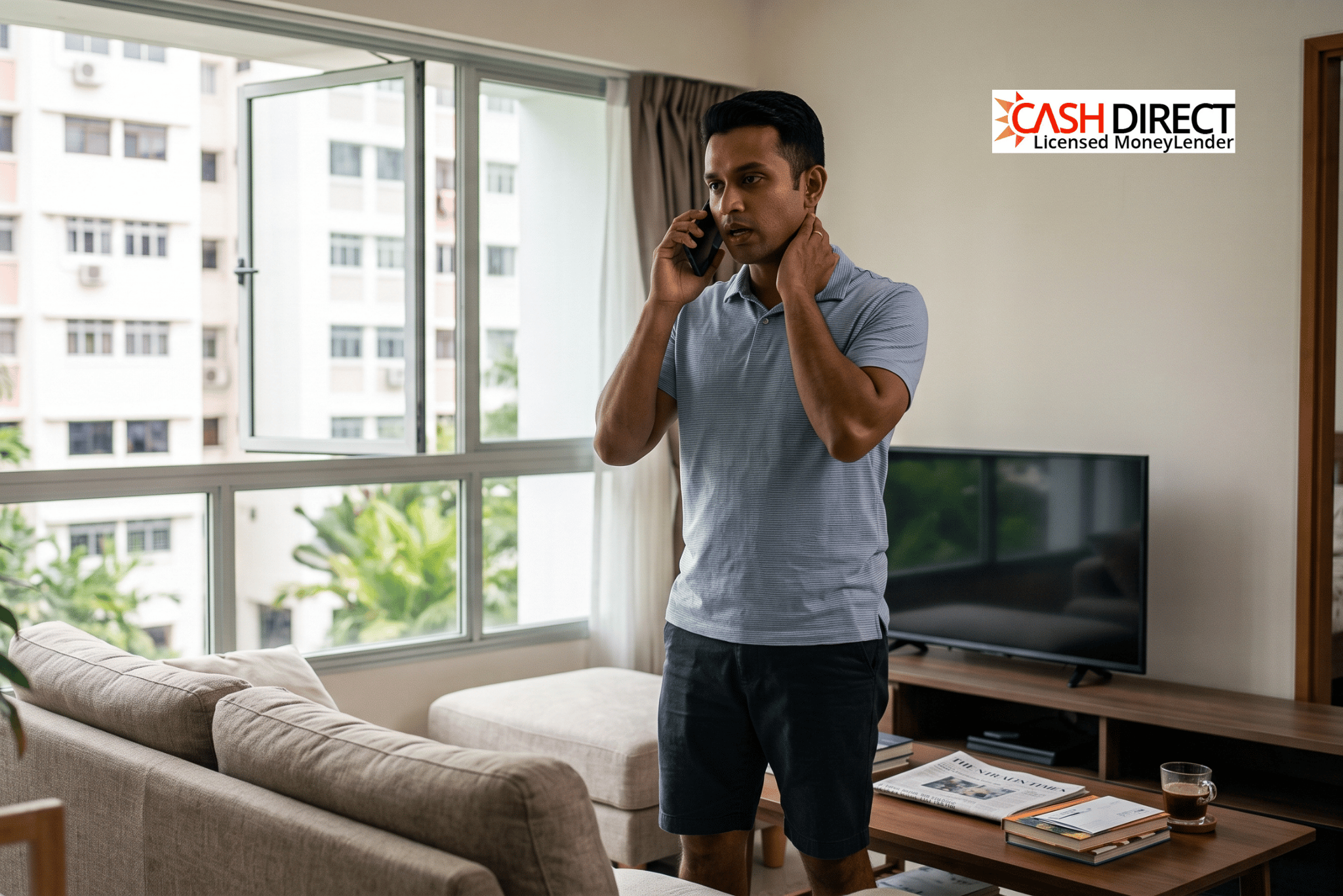
If something feels wrong, act before sending money or personal information!
- Stop communicating if you believe the offer is fraudulent.
- Do not make any further payments, even if you are told that another fee is required before your loan can be released.
- Do not share additional personal information, passwords, OTPs or other account credentials.
- Take screenshots of the WhatsApp conversation, phone number, profile and any payment requests or threats.
- Do not delete transaction records. Keep bank transfer confirmations, receipts and other payment records as evidence.
- Report suspected unlicensed moneylending activity to the Police. You can call the Police Hotline at 1800-255-0000 or submit information through the I-Witness e-Service.
- Report unlicensed moneylending or harassment through the X-Ah Long Hotline at 1800-924-5664, operated by the National Crime Prevention Council.
- If you need help determining whether something is a scam, you can also contact ScamShield at 1799.
- If you have already transferred money, contact your bank or relevant payment provider as soon as possible and explain that you may have been affected by a scam.
- If you suspect a licensed money lender is engaging in misconduct, contact the Ministry of Law through OneMinLaw or call 1800-2255-529.
- If you are in immediate danger or facing serious threats, move to a safe place and call the Police immediately at 999.
If you believe you are dealing with an illegal money lender in Singapore or a potential loan shark in Singapore, reporting the activity can also help protect others from being targeted.
Related read: What Is Licensed Money Lender Harassment in Singapore & How to Report
Can I Apply for a Loan Online Instead?
Online platforms can make it much easier to enquire about a loan or submit information, but online convenience does not mean you can complete the entire borrowing process remotely.
At Cash Direct, we follow Singapore’s regulations closely when approving and granting loans, including completing the required in-person verification process.
If you are considering borrowing, take the time to understand the loan terms and deal only with a licensed money lender. You can learn more about the application process on our loan application page or speak with our friendly team if you have any questions. We’ll be happy to help!
Final Takeaway: Don’t Let WhatsApp’s Convenience Replace Verification
A WhatsApp message can arrive in seconds, but verifying a lender should never be rushed.
The biggest warning signs include unsolicited loan offers, requests for upfront payments, guaranteed approval, unclear terms, threats, requests for sensitive credentials and attempts to bypass required lending procedures.
If you are unsure whether someone is legitimate, verify first and respond later. A few extra minutes of checking could save you from a costly money lender scam!
FAQs About WhatsApp Money Lenders
Is it safe to borrow money from someone on WhatsApp?
Not necessarily! WhatsApp itself doesn’t confirm whether a lender is legitimate. Be particularly cautious about unsolicited loan offers and verify the lender independently before proceeding.
Can a licensed money lender use WhatsApp?
Licensed money lenders may use WhatsApp to communicate with existing customers about outstanding or potential loans. However, they cannot use WhatsApp to advertise or solicit loans from the general public.
How do I check if a WhatsApp money lender is licensed?
Check the lender against the Ministry of Law’s official Registry of Moneylenders and compare the registered business details with the information you have received. Do not rely solely on a WhatsApp profile or website provided by the sender. Do your own due diligence!
What should I do if a WhatsApp lender threatens or pressures me?
Stop sending money, preserve screenshots and other evidence, and report suspected illegal activity to the Police. If you believe you are experiencing money lender harassment, keep records of any threats or messages as evidence.


